Teacher Pick:
Watt, F. (2009). 50 things to make and do. Tulsa: Usborne.
Grade Equivalent: 2.5
Complexity Band: 2-3
 This would be a great teacher reference tool. It is a small book but filled with 50 ideas for crafts. Features include a table of contents in the front and glossary in the back for a quick reference. Other helpful features include a full page image of the completed project on one side of the page and the other page is step by step instructions with an illustration at each step. The directions are very clear and concise and all crafts can be done in 8 or less steps; making these projects easy to implement in the classroom. This reference book would be a little too complex for students to do on their own. This would be great for lower elementary whole class projects. I see this being beneficial for holiday and seasonal lessons.
Student Pick:
Gaydos, N. (2003). Simply science. Norwalk: Innovative KIDS.
No Lexile found, Book suggests Ages 4-7
Complexity Band: 2-3
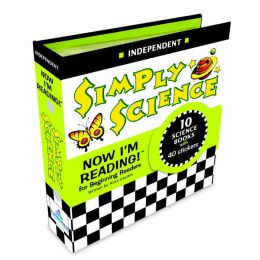
This is a very unique book due to the very small size and pull out
books inside. Each page is a clear slip cover with a smaller book in it. The smaller books talk about the concept first and then in the back there is a
simple experiment with step by step instructions. This book states it is suited for ages 4-7 but I think ages 6-10 is more appropriate. There are some challenging vocabulary
words but with the high interest topics and step by step instructions it can be used for a wide range of students. Some text features include, bolded words, numeric symbols for easy procedural directions, stickers inside, a parent guide and the book dimensions also make the book more approachable for students. I think this book would be a great way to overlap Reading and Science. Students could pair up and execute the experiments after reading them out loud as a whole class. This book would also be a great individual student project as well. The stickers inside are a reward when a student has read and completed the experiment. This is a great way to promote reading, while the experiments encourage higher order thinking skills. A great find for your classroom or home library.